Low-Cost Ways to Adopt Sustainable Living Practices
Sustainable Living ?? Comments 16/Nov/2025 SunSustainable living doesn’t have to be expensive. Many practical, affordable changes can reduce your environmental impact while saving money in the long run. By focusing on simple, low-cost practices, individuals can contribute to sustainability without significant financial investment. Below are tips and strategies for adopting sustainable living practices on a budget.
Details
-
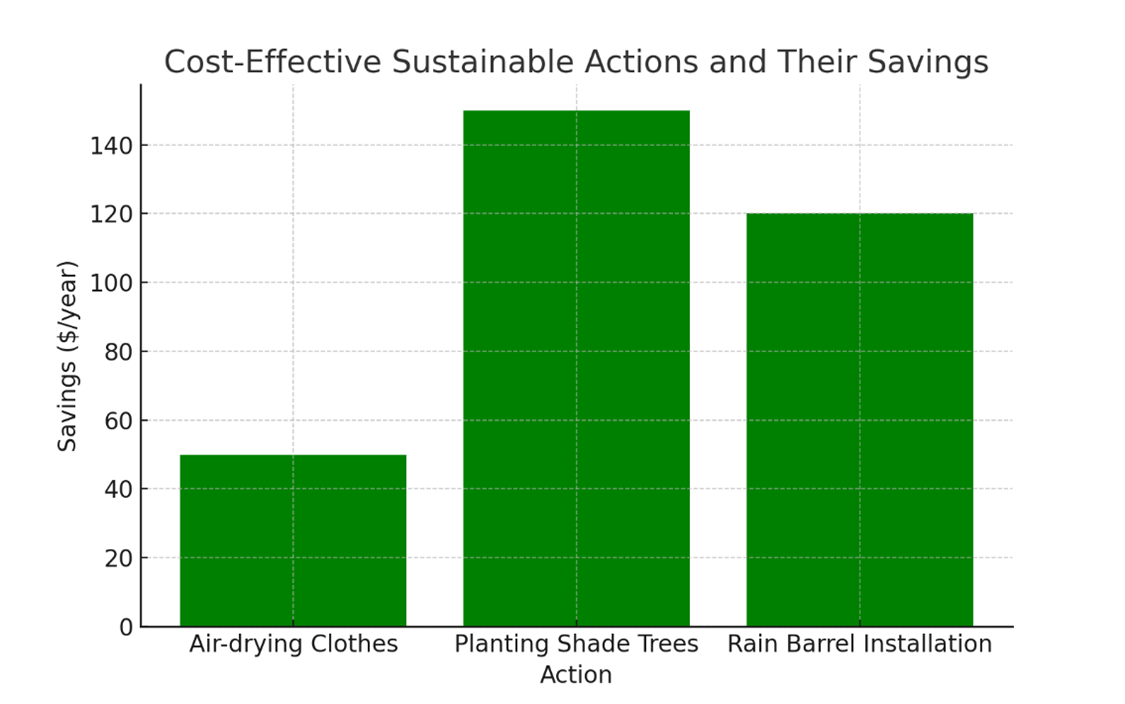
Air-Dry Clothes Instead of Using a Dryer
o Drying clothes on a clothesline or drying rack eliminates the energy consumption associated with electric or gas dryers.
• Reduces electricity or gas bills.
• Extends the lifespan of clothing by avoiding high-heat damage.
• Saves up to $100 annually on energy costs, depending on usage.
-
Use a Rain Barrel for Irrigation
o A rain barrel collects and stores rainwater from gutters and downspouts, providing a free water source for outdoor irrigation.
o How to Start:
• Install a DIY rain barrel using a large food-grade container, a spigot, and a mesh screen to filter debris.
• Place the barrel under a downspout to collect rainwater during storms.
o Benefits:
• Reduces water bills by lowering municipal water usage.
• Helps conserve freshwater resources, particularly during droughts.
• Provides chemical-free water for plants, promoting healthier gardens.
-
Plant Shade Trees Around Your Home
o Strategically planting shade trees can naturally cool your home in the summer and reduce the need for air conditioning.
o Tips:
• Choose fast-growing native species suited to your climate.
• Plant trees on the south and west sides of your home to block sunlight during the hottest parts of the day.
o Benefits:
• Reduces cooling costs by up to 20%-50%.
• Enhances curb appeal and increases property value.
• Improves air quality and provides a habitat for wildlife.
-
Switch to Reusable Alternatives
o Replace single-use items with reusable products to reduce waste and save money over time.
o Examples:
• Use cloth towels instead of paper towels.
• Carry reusable water bottles, coffee cups, and shopping bags.
• Invest in silicone food storage bags or beeswax wraps for leftovers.
o Benefits:
• Reduces household waste.
• Eliminates recurring costs of disposable items.
-
Create a Small Vegetable Garden
o Grow your own herbs, vegetables, or fruits to save on grocery bills and reduce reliance on store-bought produce.
o How to Start:
• Use containers or small garden plots to grow easy-to-maintain plants like tomatoes, lettuce, and basil.
• Compost kitchen scraps to create free, nutrient-rich fertilizer for your garden.
o Benefits:
• Provides fresh, organic produce at minimal cost.
• Reduces packaging waste and transportation emissions associated with store-bought goods.
-
Seal Air Leaks and Insulate Your Home
o Use inexpensive materials like weatherstripping, caulk, or foam sealant to seal gaps around windows, doors, and vents.
o Benefits:
• Prevents drafts and improves indoor temperature regulation.
• Reduces energy bills by lowering heating and cooling costs.
-
Use Energy-Saving Light Bulbs
o Replace incandescent bulbs with energy-efficient LED bulbs, which consume up to 75% less energy and last significantly longer.
o Benefits:
• Reduces electricity usage.
• Lowers maintenance costs by extending the time between replacements.
-
Turn Off and Unplug Electronics When Not in Use
o Many devices consume standby power even when turned off. Unplugging electronics or using smart power strips eliminates this "phantom energy" consumption.
o Benefits:
• Saves 5%-10% on electricity bills annually.
-
Practice Water Conservation Indoors
o Install low-flow showerheads and faucets to reduce water usage.
o Fix leaks promptly to prevent water waste.
o Simple Habits: Turn off the tap while brushing your teeth or scrubbing dishes.
o Benefits:
• Lowers water bills.
• Reduces the energy used to heat water.
-
Thrift and Upcycle
o Buy second-hand clothing, furniture, and household items to reduce consumption of new resources.
o Get creative by upcycling items into new uses, such as turning old jars into storage containers or pallets into furniture.
o Benefits:
• Saves money compared to purchasing new items.
• Reduces waste and conserves resources.
Practical Example
Installing a DIY Rain Barrel for Garden Irrigation
• Scenario: A homeowner wants to reduce their water bills while maintaining a healthy garden.
• Steps Taken:
-
They purchase a large, food-grade plastic container for $30 and fit it with a spigot and mesh screen to create a simple rain barrel.
-
The rain barrel is placed under a gutter downspout to collect rainwater during storms.
-
The homeowner uses the collected water to irrigate their vegetable garden.
• Results:
o The homeowner saves an estimated 1,300 gallons of water annually, lowering their water bill by $50-$100 per year.
o The garden thrives with chemical-free rainwater, reducing the need for fertilizers.
o The setup cost is recovered in less than a year, providing long-term savings.
Key Benefits of Low-Cost Sustainable Practices
-
Affordability: Simple, low-cost practices are accessible to most households and often require minimal upfront investment.
-
Long-Term Savings: Many sustainable actions reduce recurring expenses, such as water, energy, and grocery bills.
-
Environmental Impact: Small changes collectively reduce resource consumption, greenhouse gas emissions, and landfill contributions.
-
Self-Sufficiency: Growing food, collecting rainwater, and reducing waste contribute to greater independence and resilience.
-
Improved Quality of Life: Sustainable practices enhance home comfort, reduce stress over rising utility costs, and promote healthier habits.
By adopting these affordable sustainable living practices, households can contribute to environmental conservation, build resilience, and enjoy long-term savings.
Tags: sustainability climate